


10 Tips for Mindful Consumption
Let me get one thing out of the way right off the bat: I love to shop. Sometimes I even call myself a bit of a shopaholic. While I used to buy a lot of fast fashion not too long ago, I now have different priorities. This is partly because my budget is higher than it was a few years ago, and mainly because I want the people at the end of the production chain to be treated fairly. On top of that, the environment thanks us when the production of our clothes avoids nasty chemicals, countless liters of water, or pesticides.
Clothing has been a part of my life for as long as I can remember. I love clothes and own a lot of them—though there’s always a high turnover because I resell many items after just a short time. When I’m not shopping second-hand or vintage, I usually buy from labels that prioritize fair and sustainable production.
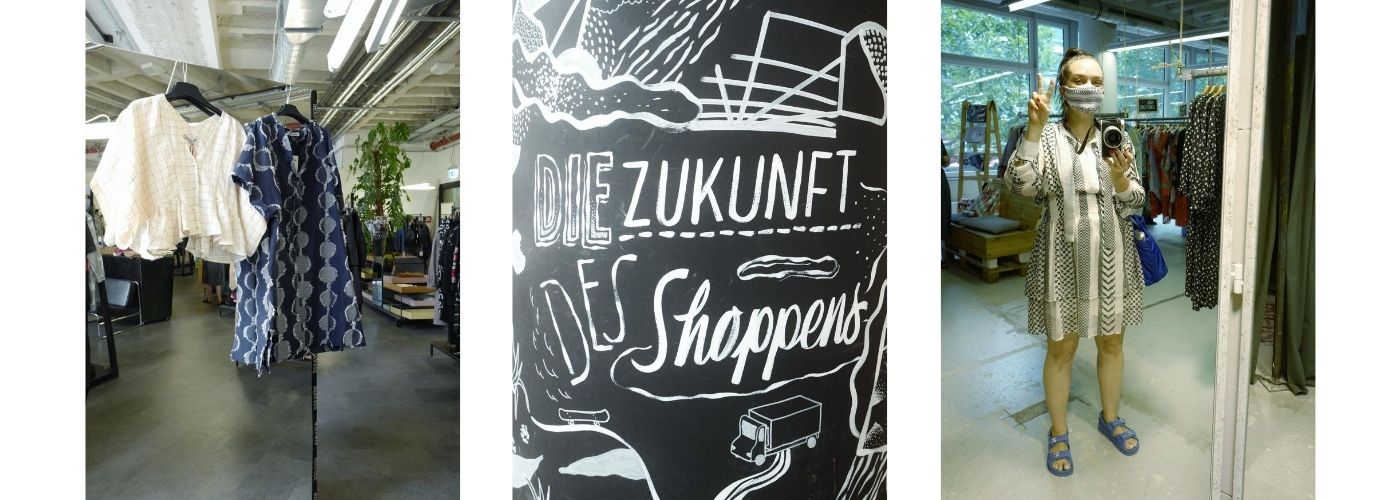
We discuss sustainability in every area of life. We can’t leave our wardrobes out of the conversation. This is precisely where we can make a big difference. Our clothes aren’t produced automatically. There’s always a person at the end of the production chain. To ensure this person can work under fair conditions, we need to change the system. But where to start? And how do we get an overview? Here are 10 tips.
1. Wardrobe Inventory
What do I actually own? Get a concrete overview of the contents of your closet. To do this, simply take everything out first and go through each item one by one. Be honest about what you wear. If you can clearly say YES to an item, put it back in the closet. Make a separate pile for your NO items. And for the MAYBE items, the following tip and the eighth tip, which comes later, will help you.
2. #30WEARS
The excessive overproduction of clothing is a huge problem in the fashion industry. According to Greenpeace, we actually wear only 60 percent of our wardrobe. So the ideal would be to buy only what we actually wear. A good rule of thumb is: A piece of clothing should be worn at least 30 times. For me personally, this is a huge challenge because I love reinventing myself time and again. However, once I’ve found a favorite piece, I wear it until it’s old and full of holes—which, with high-quality design, doesn’t happen for years. I still own a coat that my mom received as a gift from my dad 40 (!!!) years ago—the thing looks like new.
3. Become your own style icon
To really wear a piece at least 30 times, you have to feel truly comfortable in it. We usually only develop our own style after years of experimenting, and for me, it changes from time to time as well. Already know your style? Great! Stick to it, and you won’t have to chase every trend. It’s precisely those trendy pieces that you’ll never wear 30 times—they just end up gathering dust in the closet after you’ve worn them once or twice.
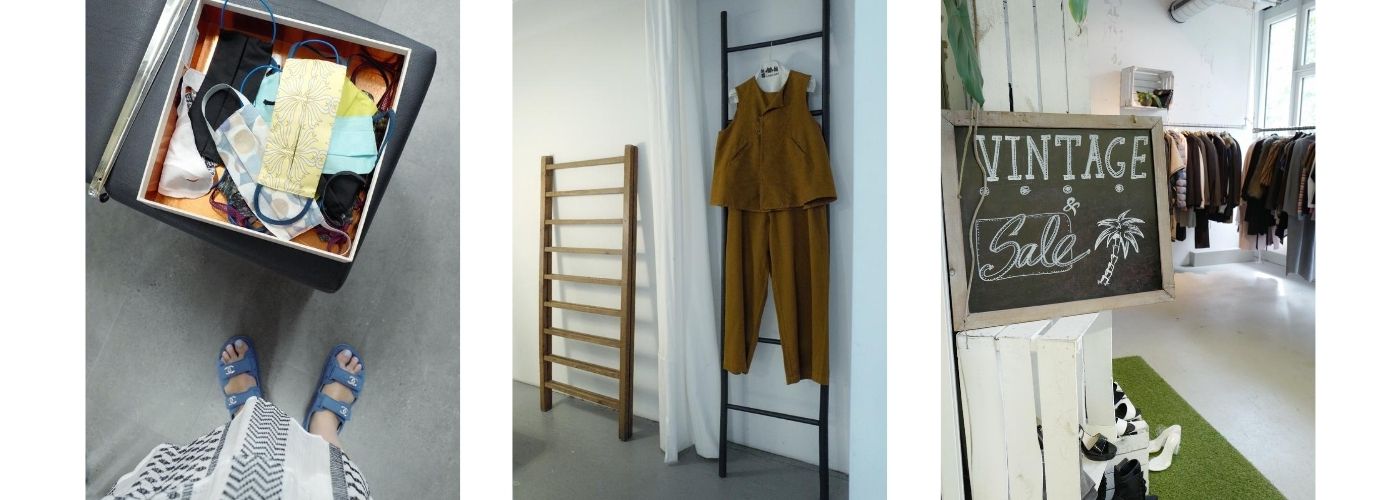
At Labo.Art, you’ll find sophisticated classics whose designs evoke architecture. The lines, geometry, and materials are spot-on. These designs are definitely built to last.
4. What about trends?!
I’ll say it again: I’m a bit of a shopping addict. You too? (Almost) no problem! Because even if you want to refresh your wardrobe every now and then and not always wear the same thing, there are sustainable alternatives. First and foremost: avoid fast fashion. By the way, almost every trend has been here before. That’s why you’ll find much of what’s currently hanging in fast fashion chains in any well-stocked secondhand shop. Ruffled blouses, carrot jeans, pleated dresses?! We’ve seen it all before! I love vintage fashion and the challenge of creating trends outside the mainstream market. At LNFA, you’ll find an excellent, small yet exquisite selection of vintage and second-hand pieces, as well as great fair-trade labels.
As a brand, not bowing to current trends is a luxury that the shoe label Premiata indulges in. The collections aren’t dictated by the market; instead, the designs are a mix of heritage and a vision of the future. In doing so, the shoemakers rise above trends.
5. Mindset Check
Why do we actually consume? Think about your consumption decisions. Are you rewarding yourself? Do you shop on a whim, or do you sometimes sleep on it and decide the next day? Are you an emotional shopper? When I consume disproportionately, I’m usually trying to fill small holes in my soul. Since I’m very aware of this today, I prefer to ask myself in such moments what’s going on inside me and how I can bring my life back to a balanced path. Consumption often means we’re looking for excuses or making emotional decisions. When I’m sad, talking to good friends helps much more than buying myself a new dress. And I can reward myself with non-material things, too. In the end, that’s more fulfilling.
6. Support your fair labels!
Just a few years ago, sustainable fashion was still labeled as “eco-boring.” That is by no means the case today. The selection of sustainable alternatives is growing and growing. And if we want to see global change, this is exactly the right path to take. No one is saying we have to give up fashion entirely. But it definitely makes sense to think about the quantity and production of what we consume. Make sure to buy from labels that produce sustainably and create fair conditions for everyone involved in their supply chain. Labels can help you identify these brands.
At Studio183, you’ll find ever-changing collections from young Berlin designers, but established labels like my favorites Stine Goya and Henrik Vibskov also have a place here.
7. A Brief Guide to Labels
Fair and sustainable brands are transparent about the manufacturing process of their garments. To ensure companies aren’t pulling the wool over our eyes, there are several sustainability labels awarded by companies, foundations, and the Ministry of the Environment. At Siegelklarheit.de, you can get a good overview of all common labels and find out what the criteria are. You can find sustainable labels like Veja, Patagonia, or Izipizi at Market Lifestore, for example.
8. Swap, sell, give away
Clothes that no longer fit me or that I no longer like can become someone else’s new favorite piece. That’s why I always donate some to women’s shelters, sell the rest, swap with friends, or donate them to charity flea markets for a good cause. There are plenty of ways, both online and offline, to give unused items a new lease on life.
9. Repair instead of consuming
What ever happened to good old-fashioned sock darning? Back in the day, things would break and you’d fix them. Today, we get a hole in our shirt and just buy a new one. It doesn’t have to be that way. I have zero talent for sewing, so I either give my clothes to my grandma or take them to the seamstress down the street. It doesn’t cost much, and the hole is patched, the zipper fixed, or the pants hemmed.
10. It’s your pace
You don’t have to become perfect overnight. Take the steps that are personally possible for you at your own pace. What matters is that we, as consumers, help bring about change in the system. And yes: Your voice is important and relevant, even if we often feel that we can’t make a difference on our own. But we can. Because the more of us who change our mindset and take conscious steps toward sustainable consumption, the louder our voices become.
Conclusion: Mindful consumption takes practice. But when we question our buying habits and consciously spend money on material goods, we’re not only making a difference in our own small circles—we’re also taking a step toward a fair and sustainable system change. Happy mindful shopping!